Manners/Etiquette- Dos and Don’ts in Japan

Do Not DO!

  1. Trains, buses, subway, and other forms of public transportation:
    • Don’t talk loudly, scream, or be obnoxious on any form of public transportation
    • Many people rely on hearing their stop if they are on a section of the train where they can’t see the next stop (especially when the train or subway is crowded)
    • Hanging on rails, jumping, etc. is very rude on public transport
    • Refrain from taking phone calls on public transport as well
      • Sometimes it can’t be helped, and sometimes you will see people cup their hands around their mouth and whisper into their phones
    • You will see lines for doors, so DON’T cut in front of people
  2. At restaurants:
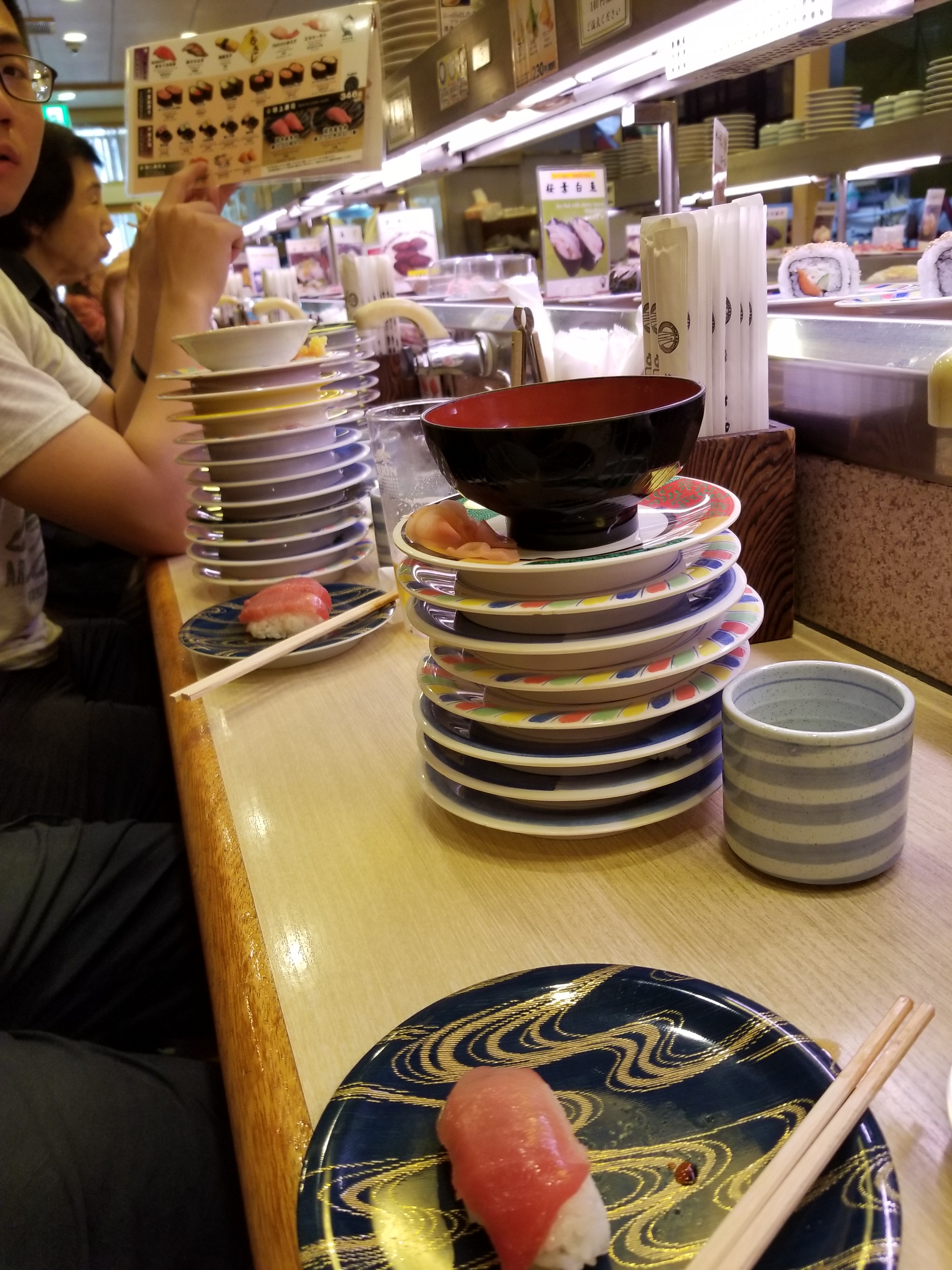
    • Do not double dip food into shared sauces, pots, etc.
    • Don’t stick your chopsticks vertically in food
    • Don’t leave a tip- service is always included in the bill
    • If you are with Japanese people, do not serve yourself sake first-always offer first
    • DO NOT ASK FOR SPLIT CHECKS! Just pool your money together and pay your portion- Japan is a cash-based society anyways so it shouldn’t be hard (if need be, keep a tab on who owes who money on your phone).
  3. On the street/In stores
    • Do not blow your nose violently/randomly in public- find a more discreet place to blow your nose
      • Or you can just sniffle like crazy
    • Do not eat or drink while walking.
      1. Just stand near or next to the stand or outside the store and finish your food and drink there
      1. Japan does not have many accessible trash cans so a lot of the time only the stand or shop has a trash bin. Therefore it’s just better to stand there and finish your food.
    • Don’t LITTER- keep your trash with you until you see a trash bin somewhere
    • Don’t smoke wherever- find a designated smoking area

DOs!

  1. SLURP/Burp when eating and drinking- enjoy your food!!!!!
    • If you are drinking soup of any sort (from ramen, udon, or just miso), drink directly from the bowl.
  2. Use TWO hands as much as possible when giving and receiving things like money, food, etc.
    • At many stores you can place money on the tray for payment rather than juggling coins and cash with both hands.
  3. Take off shoes when going into homes, specific restaurants, shrines, temple areas unless you see people doing otherwise
  4. If you are in a public bath house or onsen- RINSE OFF/CLEAN YOURSELF FIRST before entering the bath
  5. Explore and engage in Japanese clothes, custom, and traditions (ex. Wear the given yukata if you are at an ryokan)
  6. If meeting locals for the first time, bow first before deciding if you want to offer a handshake
  7. Leave wet umbrellas outside (there will be umbrella holders)
    • Malls are exceptions where there is a device for you to put your umbrella in a plastic wrap to keep water from dripping onto the ground when you walk
  8. Turn off your air-conditioning unit when leaving the room to be eco-friendly
  9. Be quiet in your rooms at night.
  10. Be polite
    • An exception is when you are on a crowded train, subway, etc.
      • If you need to get out, then get out
      • Some cases you need to shove yourself out or into the doors- everyone is doing it so no need to be fearful
      • You may need to say “Sumimasen” to alert the people around you

Passes, Phones, and Money Before Entering Japan

JR Pass

  • I mentioned the JR pass before in another post, but I will offer more details here.
  • If you plan to buy a JR pass, order it within 3 months BEFORE THE DATE YOU PLAN TO ACTIVATE IT.
    • There are many sites you can use to buy the pass- please pay attention to return information and how long it will take for delivery of the pass.
  • When you buy the pass, you will not receive the actual pass in the mail. You will receive an exchange voucher.
  • DO NOT LOSE THIS VOUCHER- some companies do not issue refunds if lost (unless it was a delivery issue)
  • As I also said before, only temporary visitors can only use the pass. So when you go through customs upon arrive in Japan, tell the customs’ person you are going to Japan for sightseeing  
    • Look at the eligibility tab on the websites to confirm you can use the pass
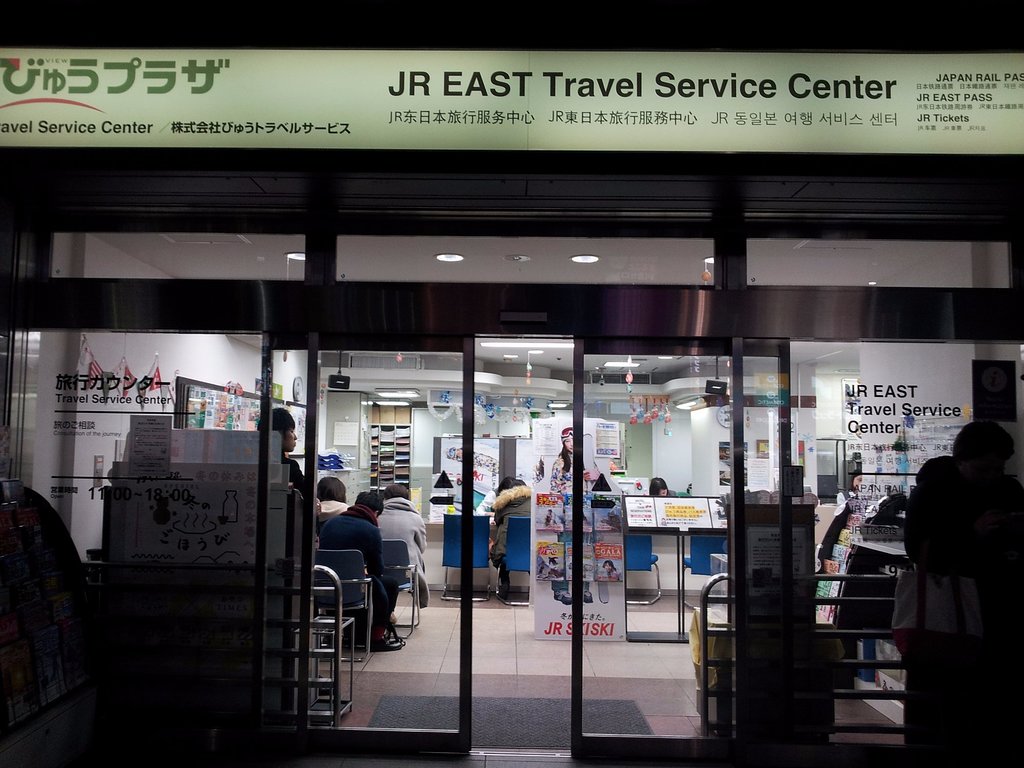
  • Once you are in Japan, you can go to almost any JR station to a JR OFFICE to exchange your voucher and SET UP AN ACTIVATION/STARTING DATE (you need to have your passport or visa with you).

Money Exchange

  • I do not recommend exchanging all your money at once. Many banks offer poor rates and a fee for transaction. Exchanging money at the airport is the best way to save money and get better exchange rates.
  • However, if your flight is super early and the exchange office is closed at the airport, then exchange your money at the bank
  • I recommend only exchanging $500-1000 dollars before entering the country
  • Exchange rates are better in Japan, so you can exchange the rest or more of your money once you land at the airport.
  • I prefer to exchange as I go so that I don’t have a lot of yen leftover and lose money as I exchange back to USD later. Therefore, I use the atms at any convenience store and pull money as I go. The exchange rates via atms in Japan have better rates too and some credit/debit cards don’t have an international fee. (If you pay attention to the daily exchange rates on google, you can possible get more value for your dollar depending on the day you decide to exchange money/pull money from the atm).

Phone Services

  • DON’T BOTHER WITH POCKET WIFI and get a JAPANESE SIM CARD
  • Unlike in the West, Japan does not provide many free wifi availability, connectivity, or good wifi plans.
    • Wifi is pretty slow there and you would have to pay expensive plans to use wifi like you would at a Starbucks.
    • I remember where loading google maps on pocket wifi being difficult
  • Japan is more CELL DATA FOCUSED and all data plan/usage is much faster than using wifi.
    •  Look for unlimited data or other data plans on google.
    • Some companies have cheap call and texting options.
      • I’ve ordered SIM cards from a variety of sites since pricing of cards change over time
      • I do not recommend getting the SIM card included with the JR pass, I have seen people having problems with it.
      • Make sure your phone is compatible with the sim card and order correctly the size. These websites should have a list of compatible phones.
  • To save money, I recommend only one person get a SIM card with calling abilities. The rest can just use data only cards
    • The calling is for emergency or for making reservations on the phone
    • You and other members can use free apps like Line, Whatsapp, Facebook Messenger, etc. to keep in contact rather than pay for texting.
  • Please pay attention if your card will be mailed or needed to be picked up at the airport/hotel/etc. when you arrive.
  • ALSO YOUR PHONE NEEDS TO BE UNLOCKED to use any of the SIM Cards
    • you can talk to your phone provider to do this if you your phone isn’t already unlocked

What to Keep in Mind for Packing

*CAUTION-I’m going to speak pretty straightforwardly regarding different races in Japan*

Japanese people dress pretty conservatively. Japan is a homogenous country; so many non-Asian looking people will be seen as foreigners.

Being a Non-Asian Foreigner in Japan

PROS: You can get away with what you wear, poor manners, and (non-violent) actions. ALSO YOU GET AWAY WITH TATTOOS most of the time! Japanese people know that most foreigners with a tattoo are not part of the yakuza or mafia, but the idea of exposed tattoos is still unaccepted/taboo. However, I have seen many foreigners get away with it. Once, my Chinese friend was told to cover up his back tattoo at the beach, but my Caucasian friends with visible tattoos next to us were not called out. However, I have seen onsens where people were denied to use the public bath because of tattoos. So I guess it depends on your situation. So be wary and wear clothes that covers tattoos or bring concealing tape/makeup.

CONS: You will stick out like a sore thumb and draw attention to yourself in many areas. Unless, you know how to speak some Japanese, people might get frustrated at you for taking forever to order or avoid helping you if you’re looking for help with directions or something. MOST Japanese won’t be rude to you upfront and show politeness, but you can tell that they want to move on with their day since the lifestyle there is very fast paced and time-limited.

Being an Asian (like myself) in Japan

If you possibly look like you’re Japanese, you will definitely feel the pressure or greater judgement if you are doing something ill-mannered or wrong. Makes sense since a Japanese person would ‘know better.’ I have been judged for wearing spaghetti strapped dresses, double dipping food (on accident), and being ‘loud.’
You will be treated as Japanese.

Pros: more Japanese people will have conversations with you which is great if you are studying and learning Japanese. More people will be patient with you if you need help.

Cons: You will be held to a higher standard and judged. Also if you are the only Asian in a mixed race group, you will automatically be looked at first in restaurants to talk/order. Tattoos are much more taboo for you than others.

So it is up to you to decide if you want to blend in or not!

What I Did

At first, I dressed more conservatively, trying to blend in (shoulders covered, no low cleavage shirts, and no miniskirts/shorts). I don’t like standing out so I was useful.  But over time, I stopped caring. I know, it’s rude and sometimes I do feel bad for making this choice. However, I was unhappy and often extremely uncomfortable in the bulky clothes I wore to keep up with Japanese female standards. So I began to wear my spaghetti strapped dresses and shorts I wanted and stopped caring about being judged. I also realized that there are those in Japan that also dressed in styles that went against social standards. So I figured, I’ll just be like one of them and embrace who I am. Don’t get me wrong, I don’t go around shoving my views in people’s faces, I still spoke in Japanese respectfully. From then on, to be honest, I actually felt less pressure to ‘fit in.’

So it’s up to you how you want to physically portray yourself, but a good rule of thumb anywhere, be nice and respectful to the people and culture (don’t be a Logan Paul).

Dealing with Tattoos

On the street and most restaurants, you don’t have to worry about hiding your tattoos (with Asians often exempted from this unfortunately). 

Most public areas that deal with water (bath houses, onsen, beaches) will deny service or ask you to cover up if you have tattoos.

  • Easiest way is to cover up tattoos is with long sleeves, gloves, pants, etc.
  • You can also apply makeup to cover up
  • There is also tattoo concealing tape you can buy online (not sure if they work well).
What to Pack?

Prepare Before Entering Japan!

Pretty big question: well it depends (sorry for the vague answer : ) )

The question really is, what do I intend to bring back from Japan?

Well if you want to bring back plenty of non-perishable food, alcohol, figures, toys, souvenirs, etc. then I suggest you pack VERY LIGHT! If you don’t care for bringing back many things then pack however you see fit.

On my last 2 week trip to Japan, I brought one big suitcase, a carry-on suitcase, and a big duffle bag.  The big suitcase was half empty, and I put my small carry on/duffle bag into the big one. So I hauled one big suitcase at the beginning of the trip. But by the end of it, everything was out and filled completely. I love Japanese snacks and their rare sake/whiskey you can’t get anywhere else. I stuffed my big suitcase with those. My duffle had most of my clothes, electronics, etc. and my carry-on had all my anime figures.

So if you are like me, pack the same way!

What to Actually Bring!

This depends on which season you intend to go!

  • Bring clothes you can re-wear (ex. I re-wore dresses for several days at a time)
  • Dresses and/or skirts for women in the summer
    • Dresses are easy- no need to pack many pants
    • Skirts are easy- bring 1 skirt and bring different shirts to wear with it
    • Maybe one pair of leggings or pants on cold days
  • Re-wearable pants for men
    • My brother brought many shirts but only two pairs of pants
  • I don’t recommend for anyone to re-wear undergarments/socks, so bring plenty of those
  • Shoes- WALKABLE!
    • You will walk A LOT in Japan so bring shoes that you can walk easily and for long periods of time
      • I brought one pair of Vans and flats (I destroyed my vans in Japan and end up leaving my Vans there)
      • Bring warm shoes/boots in case of snow in winter
  • Hat/cap plus sunglasses in the summer is a must!

If for some reason you run out of luggage space, no worries! Go to a Bic Camera store and buy a suitcase to bring home. They offer tax free shopping to foreigners.

Don’t bring expensive clothes! Many Japanese washers and especially dryers can be rough with clothes. So if you don’t want delicates to be ruined, don’t bring them unless you plan on handwashing it.

Medicine?

  • If you cannot handle pollen, bring allergy meds (not over the counter)
  • There is a good chance you can get sick even in the summer in Japan
    • With travel fatigue, extreme heat/humidity outside, and blasting air-con indoors, you might catch a cold or the flu.
    • Vicks Dayquil/Nyquil is illegal to bring into the country (however, I had some in my luggage and brought some anyways …I guess security wasn’t too tight)
      • Japanese cold meds aren’t very strong, but you can get them easily at medicine shops or convenience stores
  • Please check Japanese government travel guidelines for any prescription meds you want to bring in. https://jp.usembassy.gov/u-s-citizen-services/doctors/importing-medication/
  • Japan is extremely strict about any type of narcotic. They are illegal and you can be imprisoned in Japan if found on you.
  • To keep your immune system up while traveling, take the convenient Vitamin-C drinks, foods, etc. found at almost any convenience store

Always bring your Tourist Visa and/or passport with you! (Please note, that some countries like China require a Japanese tourist visa in order to enter the country. Check online or visit a Japanese embassy to see if you need to do this. US Citizens only need to bring a passport if stay is less than 90 days).

Deciding Where to Book a Place to Stay!

BEFORE YOU BOOK ANY HOTEL, READ THIS BLOG FULLY!

Deciding which location or which hotel, home, etc. to stay in can be pretty difficult for first time travelers. However, hopefully my tips can help your decision making.

Regardless of which city you decide to stay in, there are many factors that you should consider before booking a place simply because it is cheap. Many cheaper hotels, Airbnbs, hostels, etc. are usually (capsule hotels are often an exception) out of the way of public transport or inner city. This can pose as an extra grievance or problem especially when you have to lug around your baggage/luggage.

Important Factors to consider before booking a place!

No matter which major city you are in, ask yourself:

  1. Is the location near a JR or Metro station, or other means of public transport?
    • This is absolutely something you need to consider!
    • Renting a car can be difficult in Japan- you need to have an international driving permit ahead of time issued from your home country. Otherwise, you can’t rent one.
    • Driving in big cities like Tokyo can also be a pain with limited parking availability, difficulty navigating backroads, and more, so I just suggest using their very convenient and cheap public transportation.
    • Renting a car is more preferable if you plan on being in the rural areas
  2. How far should a JR or Metro station be from my place of choosing?
    • In my opinion, choosing a place that is within 5-10 mins max of walking distance to public transport is preferable
    • One reason why I say this is because many back/smaller roads and sidewalks do not often have nice smooth surfaces. They often have very rocky surfaces and rolling baggage around has shown to be not only difficult, but sometimes breaks the wheels if baggage is super heavy or non-durable. Even nice hotels can be in the area of these rocky surfaces.
    • Use google maps to determine walking time and distance of a station to your place of stay.
Look for these symbols as you zoom in on google maps

2 Other Important Factors

  1. IS THERE A PLACE YOU CAN DO LAUNDRY!!!
    • Please also consider this factor before booking your stay.
    • Hotels:
      • Some have washer/dryer in the room for free, others have coin laundry, and some don’t.
      • Look for a laundromat nearby if yours don’t have a place to do laundry.
    • Airbnbs:
      • Many airbnbs do not have a washer/dryer option, so look for a place with a laundromat nearby (best option).
      • Others have a washer only and then clothes pins to hang/air dry your clothes- this can pose as a problem for heavy duty clothes as they start to smell like mildew if not dried properly.
      • Check in the app or website if there is a washer/dryer option in the room. THEN VERIFY with the owner that the dryer is a separate unit and one that produces heat to dry and not just a washer that wrings the clothes until most of the water is out of the clothes.
        • Some places have a washer that wrings clothes and then a shower/bathroom that closes off where you can also hang clothes to dry and use a function to generate high heat in the room to dry clothes
      • Warning: Even if the room you have has a washer and dryer unit, it is not often like the ones in the West. These units for Airbnb rooms are often cheap. Meaning the washer is small and you have to wait do multiple loads, and the dryer is weak and takes hours to dry your clothes. Laundromats often have better dryers so I recommend doing that instead and do multiple loads at once.
      • To save a little money/time, you can use the washer unit in your room and then go to a laundromat to just dry clothes.
    • Hostels:
      • Most hostels I have seen have coin laundry in the building and instructions in English to help you out.
  2. Timing and amount of luggage
    • Many hotels/hostels will hold your bags until check in time; so there is an advantage to booking these.
    • Airbnbs- you can’t leave your luggage ahead of time unless you had previous arrangements with the owner. In this case, you can go to many of the JR stations that have baggage/luggage lockers you can rent for the day. Otherwise, you can go to one of the bigger JR stations and drop off your bag at a Travel service center for a cheap fee. I will discuss where you can drop off bags at which station in another blog post.

3. JR PASS

  • What is it and are you eligible to get one?
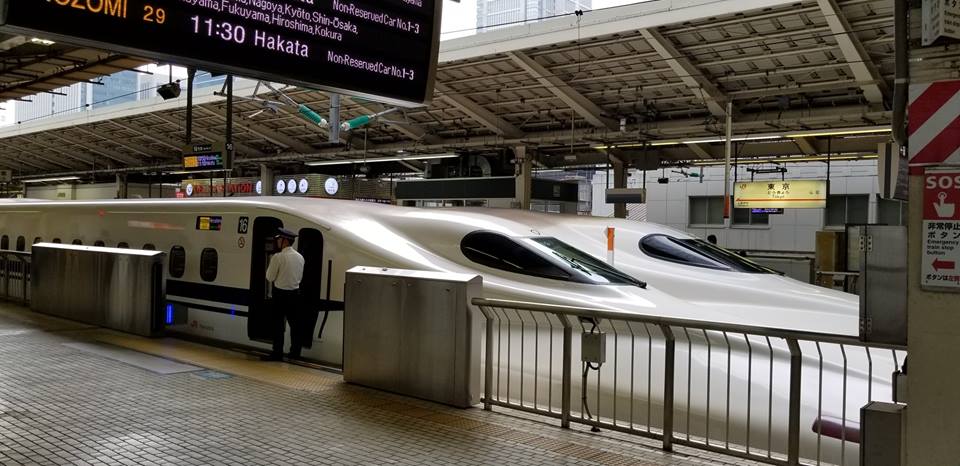
    • This pass allows you to use any JR rail system for free (7, 14, or 21 days) including booking bullet trains for free!
    • Unfortunately if your visa upon entering this country says something other than ‘temporary visitor,’ you cannot get one!
      • This includes work visas, LONG TERM student visas (more than 90 days), Etc.
      • ALSO PAY ATTENTION TO JAPAN’S VISA REQUIREMENTS TO ENTER THE COUNTRY
  • Why you should get one if you are just traveling to multiple cities.
    • The JR pass is perfect for foreign travelers!
    •  It saves more money ONLY if you plan to be moving around to multiple cities
      • A shinkansen train from Tokyo to Kyoto for example can cost about 150 USD ONE WAY
      • So if you are making round trips via shinkansen (bullet train), or using it more than once, it’s best to buy a JR PASS
  • If you plan only to stay in one city during your time in Japan, then I do not recommend getting the pass
    • It’s cheaper to use whatever public transportation available in that city
  • Getting the pass may change where you book your stay and when you want to go from city to city in order to efficiently use the JR PASS

If you decide to buy the pass, visit https://www.jrpass.com/ to learn how to use it and WHEN to buy it.

In all honesty, I only buy/activate the JR pass if I know I will be using the shinkansen more frequently. For example, I bought a 7 day pass once. Activated it on the day I booked a shinkansen going from Tokyo to Kyoto (stayed 3 days), Kyoto to Hiroshima (1 day), and then booked another shinkansen to get to Odawara to get to Hakone (stayed 2 days). Then booked another shinkansen to get to Yokohama (1 day), and then took the regular JR line back to Tokyo. Basically I booked 4 shinkansen trips and that would have totaled to be about 500 USD. The JR pass saved me over 250 dollars to spend elsewhere.

Picking between an Airbnb, Hotel, or Hostel:

  1. Picking a hotel:
    • This has its perks: often easy gps location to navigate to, holding luggage, helpful staff who speak English.
    • There is wifi in the rooms
    • Many hotels are close to stations, however the cheaper hotels are often outside the city so commutes are longer.
    • For cheaper hotel searches: I like to use Expedia or Google booking
      • There are also capsule hotels and hostels that show up on Expedia as well if you are looking for even cheaper options
    • Capsule hotels are pretty cheap as well if you want to experience one
      • They are often segregated by gender and often 1 person per unit
      • Many capsule hotels are near stations and in the inner city if you want to easily explore the night life
  2. Hostels:
    • Hostels are pretty cheap and if you don’t mind bathing and sleeping in the same room with strangers.
    • However, many English speakers book hostels if that increases your level of comfort.
    • Many hostels only have wifi in the lobby and staff are helpful with any problems or concerns
  3. Airbnbs:
    • If you want a mini home for your stay then this is for you.
    • You can find very cheap airbnbs near the inner city and near transportation stations.
    • Just be aware of the factors I mentioned above.
    • The downside: you can’t get help very often or quickly if you have trouble navigating to the place, getting into the place, and reading instructions to things like the washer/dryer, shower, etc.
      • It is important to communicate with the host/owner ahead of time to ensure you have proper directions/instructions to everything!
      • It also doesn’t hurt to ask politely if you can ask your host to label important functions in the house.
    • A small perk to an Airbnb is that past travelers leave things like umbrellas, sauces for cooking, detergent, soap, etc. which you can use at your leisure.

In the next blogs I will dive further into how to use certain appliances and any other extra relevant information when you are in a home/Airbnb.

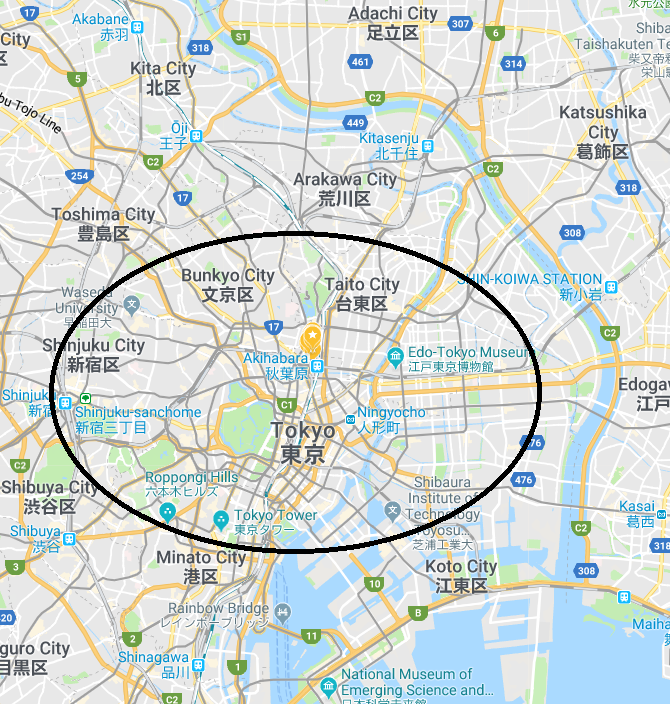
As many people go to Tokyo, here is a map of where you should be looking for a place to stay in order to have good easy access to the many unique parts of the Tokyo (which I will also later blog about the different areas you can enjoy visiting).

This is pretty much my opinion, but I have made mistakes in the past and wasted a lot of commute time by booking places outside of this circle

Choosing When to Travel to Japan

First Step:

Choosing when to buy a flight!

So you have a current and/or future plans to visit Japan?

Whether you are a student about to study abroad, on a business trip, or just visiting, knowing when you will be in the country will change what you can experience there.

Japan is very unique in each season and festivals are dependent on the seasons as well.

Let’s break it up in terms of flying on a low or high budget.

Budget Friendly

If you want to travel cheaply from outside of Japan, the best times to go are “off season.” In this case, it means seasons that are not heavy with festivals and major holidays.

Off Season:
• Mid-January to Mid-March
• Mid-May to Mid-June
• Late July to early August
• September to Mid-December
Basically, all of these time frames are the cheapest to go. Many hotels and travel options are open. Also the streets, trains, and shops are less crowded.

Traveling with a Bigger Budget

High Peak Seasons:
• Late December to early January is Holiday and New Year’s celebrations.
• Mid/Late-March to mid-April is Cherry Blossom Season! Many people travel to see cherry blossoms bloom and fall during this time (trees bloom depending on the region).
• Late April to Early May is Golden Week where several major holidays occur. Many companies are on holiday and many Japanese travel.
• Mid-July contains many big summer festivals where people travel frequently. Many major fireworks festivals as an example.
• Mid-August is the Obon Festival. During this time, many people travel ‘home’ to pay respects and honor their ancestors.

Although these peak seasons are more expensive to travel, it is more fun and more to see/experience in Japan during these times. I personally prefer to go during these times. If booked early enough, nice/cheap Airbnbs can be obtained during your stay there.

Other Factors to consider:

Rainy Season: Mid-June to Mid-July

• It doesn’t rain every day but when it does, it rains very hard. Some days can also be short heavy spurts of rain, and others can be full day drizzles. Some days, it rains so hard that the rain will bounce off the ground and soak your legs, socks, and shoes.
• Don’t go during this time if you want nice blue skies and sunshine (especially if you love taking photos in nice weather)
• Many Airbnbs/homes don’t have dryers, but rather hangers/clips to air-dry clothes. With many rainy days, your thick socks/shoes can smell like mildew if you don’t properly dry them or find a laundry place nearby.
• There are also rainy days in May and early June as well, but not as heavy and as frequent. But these days can be cold compared to Mid-June to July.

Seasons:

Winter: It is very busy during Xmas time through New Year’s. Japanese don’t celebrate Xmas as a religious holiday but to rather spread joy and give gifts. Many couples love spending Christmas time go on dates and travel to onsens. New Years has its own fun and interesting traditions as well if you happen to be with a family during this time. If you love holiday lights then this is also the time to go. In my opinion, no other country sets up illuminations like the Japanese, and it is absolutely beautiful. Other than this, winter is pretty calm compared to the other seasons. There are interesting snow related festivals that occur throughout Japan during this time if that interests you. Also if you enjoy snowboarding/skiing, this is the time to go. It does get pretty cold during this time so keep warm.
Spring: This is perhaps one of the most beautiful seasons to go see Japan especially during Cherry Blossom Time. Cherry blossoms come and go pretty quickly, so book well in advance in a city that you know the cherry blossoms are blooming during that time. The blossoms bloom and fall at different times of the month depending on region/winter. It blooms only once a year. If you do go see the cherry blossoms, be sure to check out views during the day and night. It is a different experience for both times of day. Each city has unique cherry blossom views/spots and some are more beautiful than others. Also dress warm during this season and prepare for plenty of pollen in the air!
Summer: SUPER HOT and HUMID. It’s a little gross during this time since you have to constantly use a hand towel to wipe sweat from your face. For those using makeup, your makeup is likely to run off. However, there are many fun summer festivals during time. Despite the heat, I enjoy going to Japan during this season. The fireworks festivals in Japan are out of this world where some continuously fire about an hour long. If you are in the south, beaches are really nice during this season as well.
Fall: A cooler season than summer. Depending if you are in Japan at the beginning of the season or the end of it, it’s hotter or cooler. There are clearer skies, lower humidly, and less rain. It is also beautiful to travel during this season. The leaves changing color is a spectacle in Japan since there is so much greenery. There are many festivals that happen during this time as well. Except for mid-August, this is probably the best time to go in terms of cost and weather reasons.

Unfortunately, there is no exact time to buy plane tickets to get a good offer. What I have found is buying 2-4 months ahead of time have shown to have decent prices. Any earlier has been more expensive. GOOD LUCK!

A Little About Me

“Travel is fatal to prejudice, bigotry, and narrow mindedness., and many of our people need it sorely on these accounts.”

Mark Twain

Hi. This is my first blog, and I hope that what I will build here can be easily accessible and helpful for first time or returning travelers to Japan.

I am Asian-American (Chinese/Vietnamese/Japanese), born and raised in Colorado, and a frequent traveler to Asia. As I have family in Japan, I have been to the country many times and would love to help reduce any anxiety and frustrating times you may encounter.

Every person’s experience is different, but if you choose to go to any of the places I mention in this blog, at least you will know what to expect!

I will update the blog regularly, but it will take some time to build this blog as there is so much information to give. Thank you for your patience!
ENJOY!

Design a site like this with WordPress.com
Get started